Sardines are THE superfood sensation!
- Cheap, nutritious, brilliant for bones
These are top of the list for healthy tinned fish. These small, sustainable fish are rich in omega-3s, calcium (thanks to the edible bones), vitamin D and protein. They’re also low in mercury and big on flavour. Sandra Cohen, a nutritional therapist, says they’re often overlooked as they have a strong taste and smell, but they’re a great addition to any diet.
“They’re sustainable, anti-inflammatory, rich in omega-3, low in mercury and ideal for heart, brain, and bone health,” she says.

They’re particularly valuable as we get older as well. A 100g portion (especially when tinned with bones) contains around 382mg of calcium – roughly the same as 400ml of milk – giving you about 38% of your daily requirement in one go. They also deliver vitamin D, magnesium and phosphorus, all of which play a crucial role in keeping bones strong and slowing the natural loss of bone density that comes with age.
Carry a can for a quick convenient lunch, “Your brain will thank you!”
Eating fish during pregnancy can help your baby’s brain develop. The study “Fish Intake during Pregnancy and Foetal Neurodevelopment—A Systematic Review of the Evidence” by Starling and colleagues looks at what science says about this. Fish is full of important nutrients like omega-3s and iodine that are good for your baby’s growth. Many health guidelines recommend eating fish when you’re pregnant. But there are also worries about pollution in some fish, like mercury, which could be harmful.
This creates a tricky balance: how much fish is safe, and what kinds should you eat? The research shows that eating moderate amounts of low-mercury fish may help your child’s learning and thinking skills. Still, more studies are needed to be sure about the best advice. This paper reviews what science knows so far to help pregnant women make smarter food choices for themselves and their babies.
In Summary
Including sardines in your pregnancy diet can provide vital nutrients that support your baby’s brain development and overall health. As a sustainable, nutritious, and safe seafood option, sardines are a smart choice to help ensure a healthy pregnancy.
In the spirit of National Seafood Month this October, we want to cast your minds back to arguably one of the best real-life showcases for Cornish seafood – the recent Sardine Festival over the August bank holiday. A collaboration between Argoe, Newlyn Harbour Lights and Cornish Sardines, the weekend was packed with boat tours, music, and – of course – sardines on the BBQ, all of which highlighted the beauty and simplicity of Cornwall’s sardines. The event was a reminder of how easy they are to cook and enjoy, how many people are involved across the supply chain, and how vital the wider seafood industry is to Cornwall’s economy.
Sardine fisherman and CFPO member Tom Lambourn reflected on the event, saying:
“The whole event was centred around sardines, knowledge, community”; “It was a mix of locals and tourists… people were asking all sorts of questions”; “People don’t know where their food comes from, this is a chance to teach people and it’s fun at the same time “: “Sardines are a superfood… they are really affordable… we should eat more of them”.
Events like this show how celebrating local seafood can connect communities, strengthen our industry’s reputation, and promote Cornish fish as part of a healthier and more sustainable food system.
Two recent BBC Countryfile reports found:
The relevant bits to do with eating sardines are:
- Nutrient-dense: Tinned fish such as sardines contain a matrix of cardioprotective nutrients including omega-3s.
- Nutrients contained: They also contain potassium, magnesium, zinc, iron and arginine that together dampen inflammation and cut the chances of heart disease.
- Nutritional profile (similar to other small fish): Are sardines better than tinned staples such as mackerel, herring, anchovies and tuna? Their nutritional profile is pretty similar…
- Specific nutritional breakdown: …with one can of sardines providing 200 calories of which 22g derives from muscle-building protein and 12g from good fats, plus a host of vitamins.
- Contain edible bones: Each contains edible bones that crank up bone-strengthening calcium.
- Low in mercury (recommended for vulnerable groups): That said, the general advice is that if you’re pregnant, breastfeeding or feeding young children, you should stick to low-mercury tinned fish such as sardines
If you cannt get hold of fresh sardines remember that tinned sardines have been shown to be the healthiest of all canned fish!
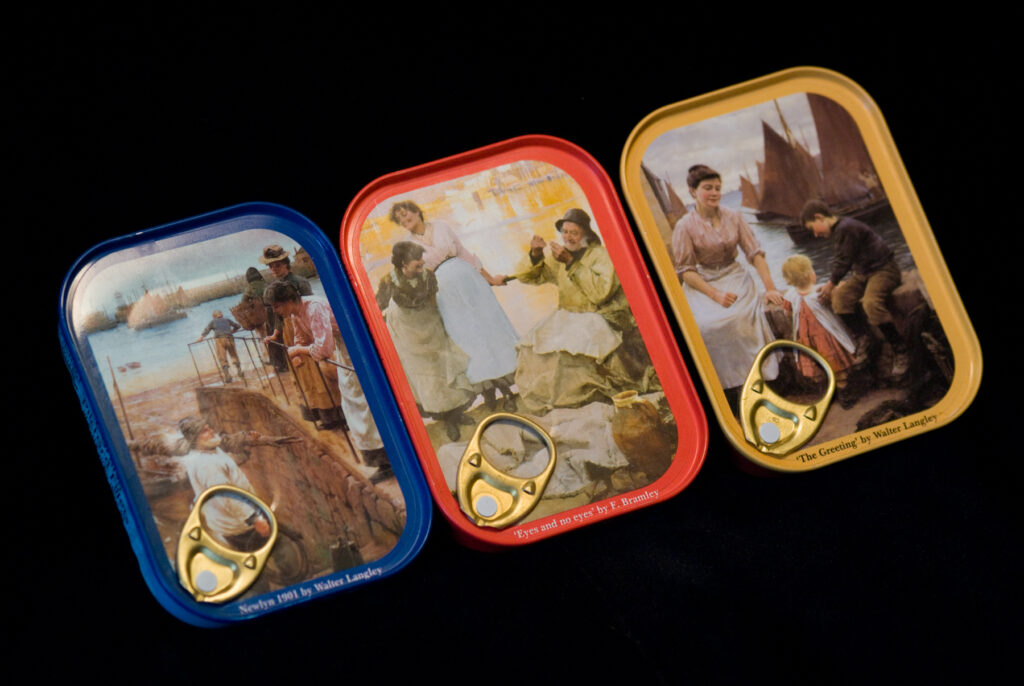
Canned sardines are packed full of good stuff, containing vitamin D (good for bones), B12 (supports nervous system), zinc (immune system), iron (red blood cell production) and potassium (regulates blood pressure). They have some of the lowest levels of mercury of all tinned fish, and are one of the highest sources of Omega-3.
Because they contain soft, edible bones, they are also a brilliant source of calcium, making them a good option for those wanting to up their intake – particularly those who are breastfeeding or post-menopausal.
Last but not least, if sardines are good enough to be a part of the diet of the world’s strongest man then think what they can do for you!